






‹
›
‹
›
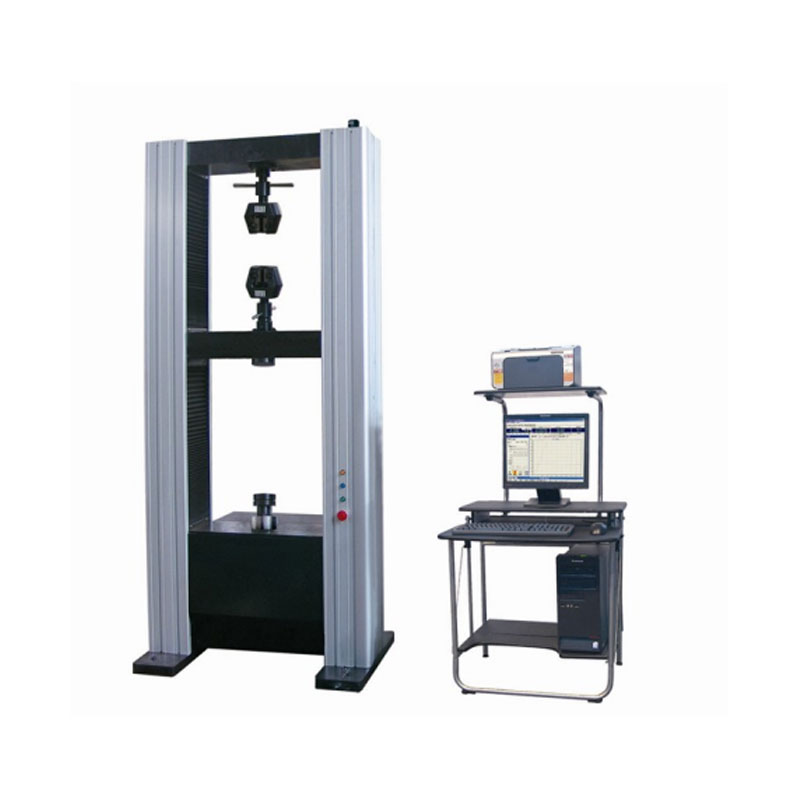
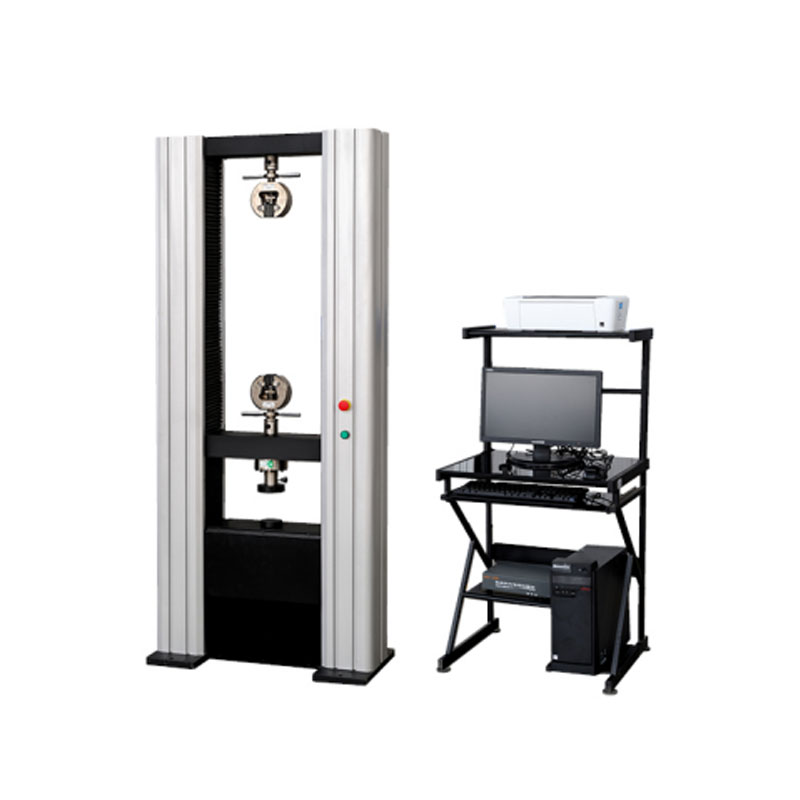
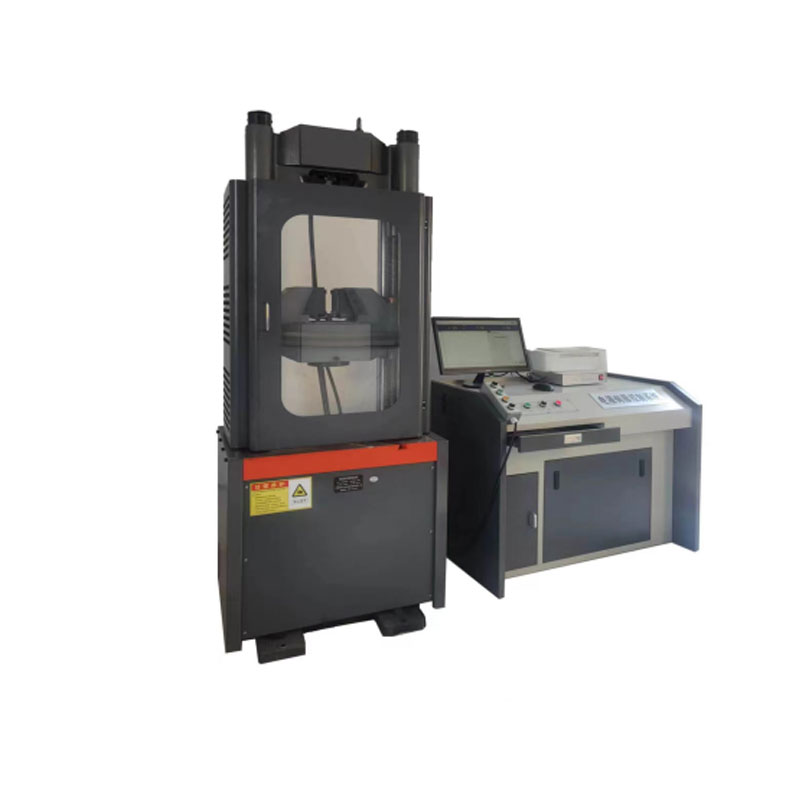
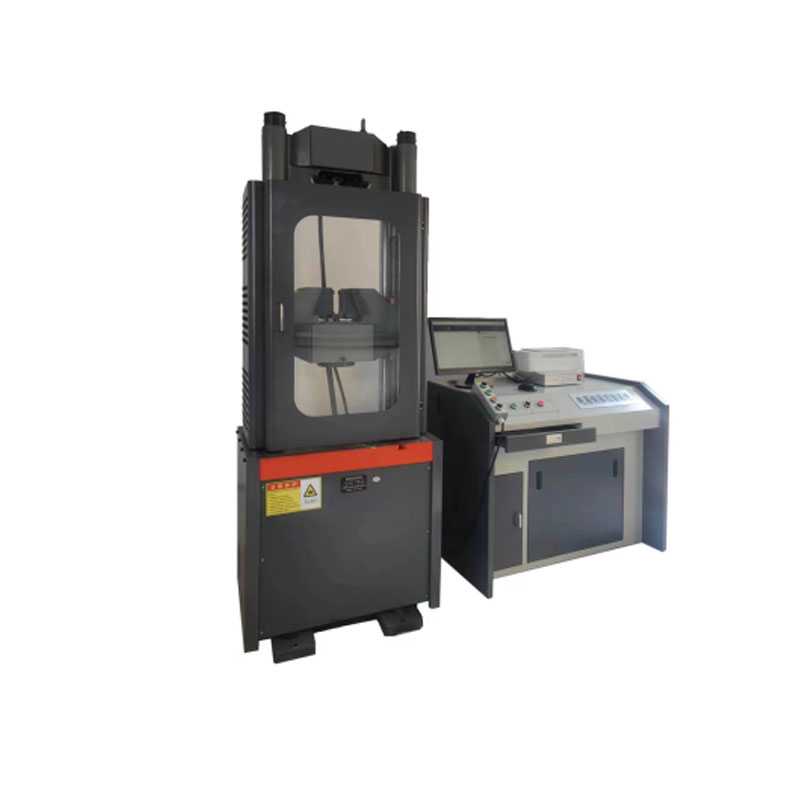
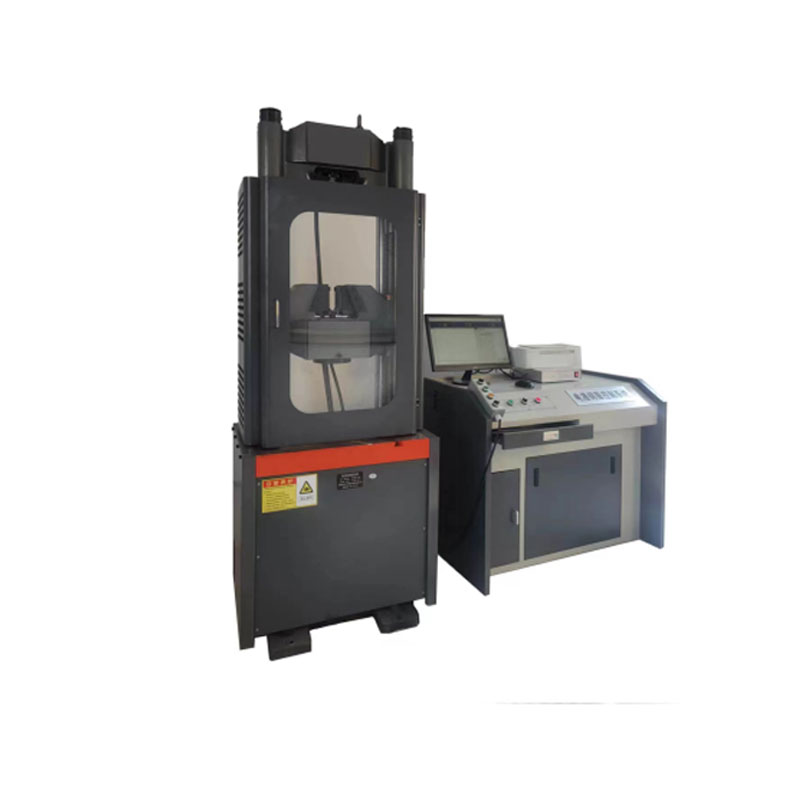
WDW-100 Microcomputer-Controlled Electronic Universal Testing Machine
Product Performance Features
The WDW-100 microcomputer-controlled electronic universal testing machine is manufactured in accordance with GB/T2611-2007 General Technical Requirements for Testing Machines and GB/T 16491-1996 Electronic Universal Testing Machines. It complies with domestic and international standards such as national standards and ASTM. The machine features an attractive appearance, convenient operation, stable and reliable performance.
The microcomputer-controlled electronic universal testing machine produced by our company integrates advanced foreign control technology, exquisite appearance design, high-efficiency transmission system, high-performance AC servo motor, high-precision servo driver and ball screw to form a high-performance main machine. The control system adopts the world's popular high-speed PCI2.2 standard parallel bus design, and the data acquisition system is composed of amplifiers from BB Company of the United States, high-speed analog-to-digital converters from AD Company and CPLD. The measurement system is composed of high-precision load sensors. The software is written in the world's popular C.NET high-level language, making upgrades simple and fast.
The professional software of the testing machine can automatically calculate data and indicators such as elastic modulus (E), yield strength (Fe), and tensile strength (Rm). The computer control system's control over the test process and data processing meet the requirements of the corresponding national standards for metal materials and non-metal materials. The test reports are diversified in formats such as WORD and EXCEL.
This machine is pollution-free, low in noise, high in efficiency, and has a wide speed regulation range. It is suitable for testing the mechanical performance indicators of various metals, non-metals and composite materials, and fully meets the requirements of relevant national standards.
The machine is widely used in material inspection and analysis in industries such as construction materials, aerospace, machinery manufacturing, wires and cables, rubber and plastics, automobile manufacturing, and shock absorption systems. It is an ideal testing equipment for scientific research institutions, colleges and universities, industrial and mining enterprises, technical supervision, commodity inspection and arbitration departments.
Main Technical Indicators
1. Maximum test force: 100KN
2. Testing machine class: 0.5 class
3. Allowable error limit of test force indication: within ±1% of the indication
4. Load measurement range: 2%~100%FS of the full range
5. Limit error of displacement indication: within ±1% of the indication
6. Displacement resolution: 0.01mm
7. Displacement speed adjustment range: 0.01-500mm/min
8. Displacement rate control accuracy: when the rate is ≥1mm/min, within ±0.5% of the set value
9. Effective test width: 450mm
10. Effective tensile space distance: 0-650mm
11. Approximate overall dimensions of the main machine (length × width × height): 880×600×1900 (mm)
12. Software and user interface: Software under WINDOWS operating environment and interactive man-machine dialogue operation interface
13. The test process, as well as measurement, display, analysis, control, etc., are all completed by the microcomputer
14. After the sample is broken, the moving crossbeam automatically stops moving (or automatically returns to the initial position)
15. With program-controlled and mechanical two-level limit protection
16. When the load exceeds 3~5% of the rated value, it automatically stops
17. Power supply: 220V, 50Hz, 1500W
18. Net weight of the equipment: 450Kg
Configuration of Testing Machine
1. One 100kN high-strength main machine (portal frame structure)
2. One high-precision photoelectric encoder
3. One set each of high-precision AC servo speed control system and AC servo speed control motor
4. Two sets of high-precision ball screw pairs
5. One set of high-precision circular arc synchronous deceleration system
6. One 100kN high-precision spoke sensor with imported strain gauges
7. One set of special tensile accessories for testing machine, including:
8. Clamping range for round samples (mm): Φ4-Φ26 (standard round jaws: 4-9, 9-14)
9. Clamping range for flat samples (mm): 0-26 (standard flat jaws: 0-7)
10. One set of special compression accessories for testing machine
11. One computer
12. One HP printer
13. One set of special test measurement and control card for testing machine
14. One set of MaxTest special software for testing machine under WINDOWS10/2000/XP operating environment
Software Function Introduction
1. Software Introduction
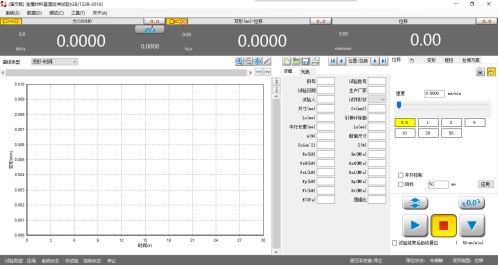
l Based on the WINDOWS operating platform, the software features simple operation, powerful functions, and a human-machine interactive structure. It adopts a standard Windows XP style, making it easy to learn and operate.
l The software uses a modular design. Modules for creating different test types, test control, and data analysis are independent and separated from the main program, enabling adaptation to test control and data processing for various test types.
l Test data can be added by users without quantity limits. New test records are created using templates, which is convenient and efficient.
l It automatically completes the test process, judges specimen fracture, and automatically records and saves test data. All test data are saved in the internationally universal XML format.
l It has efficient test data management functions, enabling quick query, loading, and deletion of test data in multiple ways.
l After the test, the system automatically analyzes and statistically processes the test results, and the analysis method can be set by the user.
l It has a flexible report editing function, providing users with a dedicated report editing tool for graphic layout, which is easy to learn and allows convenient printing of test curves, related images, and text.
l Users can delete test data as needed.
l Users can change the analysis method as required, and data rounding methods can be modified according to their own needs.
l Equipped with a dedicated database management module.
l Displays test force values in four digital ranges, with an accuracy of ±1% of the indicated value starting from 20% of each range.
l Displays deformation in four digital ranges, with an accuracy of ±0.5% starting from 20% of each range.
l Simultaneously records force-time, deformation-time, and force-deformation test curves. These curves can be switched for observation at any time, zoomed in/out arbitrarily, moved horizontally or vertically, and sampled at high speed in real time.
l Uses a human-machine interactive method to analyze and calculate the mechanical performance indicators of the tested materials. At the end of the test, the system automatically calculates elastic modulus, yield strength, tensile strength, etc. On the basis of automatic analysis, manual intervention can also be used to correct analysis results, improving analysis accuracy.
l Provides multiple report printing interfaces, allowing users to edit reports in any format as needed.
l Test data is managed using a standard database, which automatically saves all test data and curves.
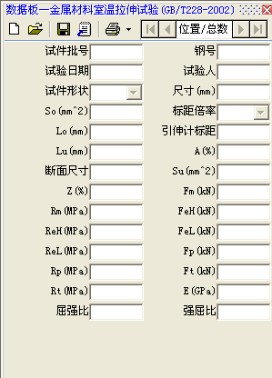
2. Data Panel
3. Test Curves
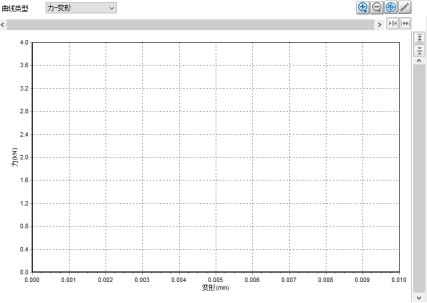
During the test, the test curve is displayed in real-time. After the test is completed, the test data, curve and specimen information of the test piece will all be displayed in this operation window.
4. National Standards or Test Methods Integrated in the Software
The control software has integrated nearly 40 national standards or test methods, which can meet customers' needs for various tests. The test report methods can be customized and updated at any time according to customers' requirements, bringing great convenience to users.
l Tensile testing of metallic materials at room temperature (GB/T228.1-2021)
l Tensile testing of metallic materials at room temperature (GB/T228-87)
l Compression testing of metallic materials (GB7314-87)
l Bending testing of metallic materials (3-point) (GB/T14452/93)
l Bending testing of metallic materials (4-point) (GB/T14452/93)
l Shear testing of metallic materials (customized by users)
l Test methods for tensile strain hardening exponent (n value) and plastic strain ratio (r value) of metal sheets and strips (GB/T5027.28-1999), etc.
5. Data Query Window
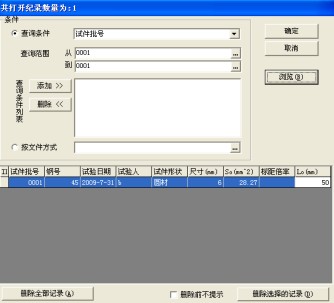
Historical test data can be queried in the database here. Simply input certain criteria, and the test data can be found immediately.
6. Automatic Calibration Window
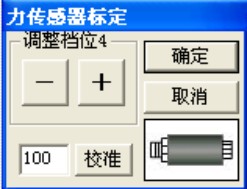
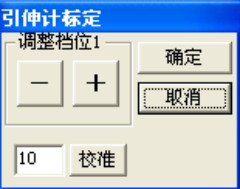
Force values and deformation can be automatically calibrated. After our debugging is completed, if the user feels that the indicated value is inaccurate or the measurement and control parameters have been modified, they only need to click the automatic correction button, and the system parameters will be restored to the state during debugging.
7. The zero adjustment of the system adopts a digital design
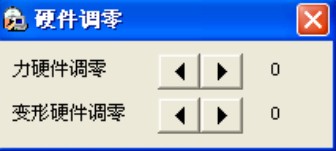
Zero adjustment for the two acquisition channels can be done simply with mouse operations. Generally, the system only requires one zero adjustment. Under normal usage conditions, the system will automatically return to the true zero point.
8. Batch Data Processing and Batch Report Printing Window
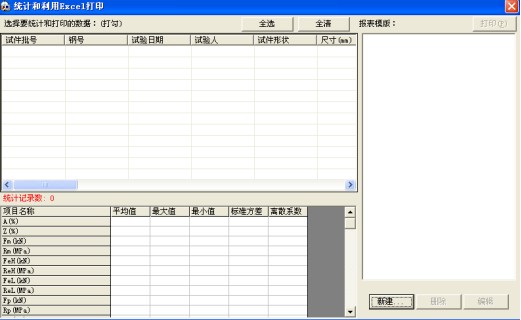
Here, you can conduct summary analysis on a batch of similar test pieces, compare the measurement and control data, calculate the average value, and print the batch summary of the test pieces. We can customize special test reports for customers. These are just a few representatives of various forms. Test reports can also be edited and printed according to user requirements and are equipped with relevant processing software (batch processing, control programmer, MaxDoc report processor, MaxXls report processor, etc.).
Features of the Measurement and Control Card
Appearance of the Measurement and Control Card
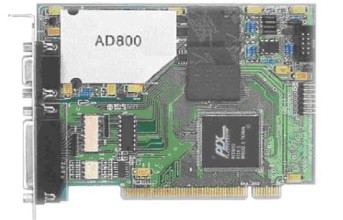
1. Circuit Brief Introduction
The AD800 full-digital data measurement and control acquisition card is a microcomputer-built-in PCI test card based on the PCI interface, complying with the PCI2.1 specification. The card can be directly inserted into any PCI slot of a microcomputer, and by means of simple wiring to connect directly to the testing machine, it can realize automatic measurement and control by the microcomputer, truly achieving plug-and-test functionality. The AD800 universal test card integrates functions such as program-controlled amplification, A/D conversion, digital I/O, counting, pulse width (PWM), and square wave generation (SWP). Its system structure is reliable and concise, and it has very good interchangeability.
2. Technical Performance
l The entire system adopts a digital design, featuring safety, stability, reliability, and high precision.
l There are no adjustable components in the entire system, with digital zero adjustment and automatic calibration of measurement and control parameters. The system integrates a CPLD arithmetic device, which has high-speed computing capability and can process digital signals in real time.
l This system adopts the PCI2.1 bus standard, making it easy to expand and upgrade, and achieving "plug-and-play" functionality.
l Integrates 4 gears of precision instrument-grade program-controlled amplifiers with automatic gear shifting.
l Automatic zero detection.
l The maximum resolution of the channel is 0.0005% or equivalent to ±200,000 codes.
l The indication resolution of each gear is 0.01-0.05% FS.
l The maximum acquisition rate is 400 points/second, typically 50 points/second.
Quality Assurance
The equipment shall be deemed formally delivered once it has passed the official acceptance by the ordering party. The three guarantees period (for repair, replacement, and refund) of the equipment is one year from the date of formal delivery (unless otherwise specified by the supplier for an extended period). During the three guarantees period, the supplier shall promptly provide maintenance services for any faults occurring in the equipment. For faults that occur during the use of the equipment after the warranty period, the supplier shall promptly arrive at the ordering party's location to provide services and actively assist the ordering party in completing the maintenance tasks.
Shandong Laishi Automation Technology Co., Ltd. (hereinafter referred to as "Laishi") is composed of a technical team with more than 10 years of research and development and manufacturing experience. The registered capital of the company is 3 million yuan. We specialize in the research and development, production, and sales of various desktop hardness testers and metallographic sampling equipment, and provide professional research and sales services for physical and chemical testing instruments, laboratory equipment, analytical equipment, and automation equipment.
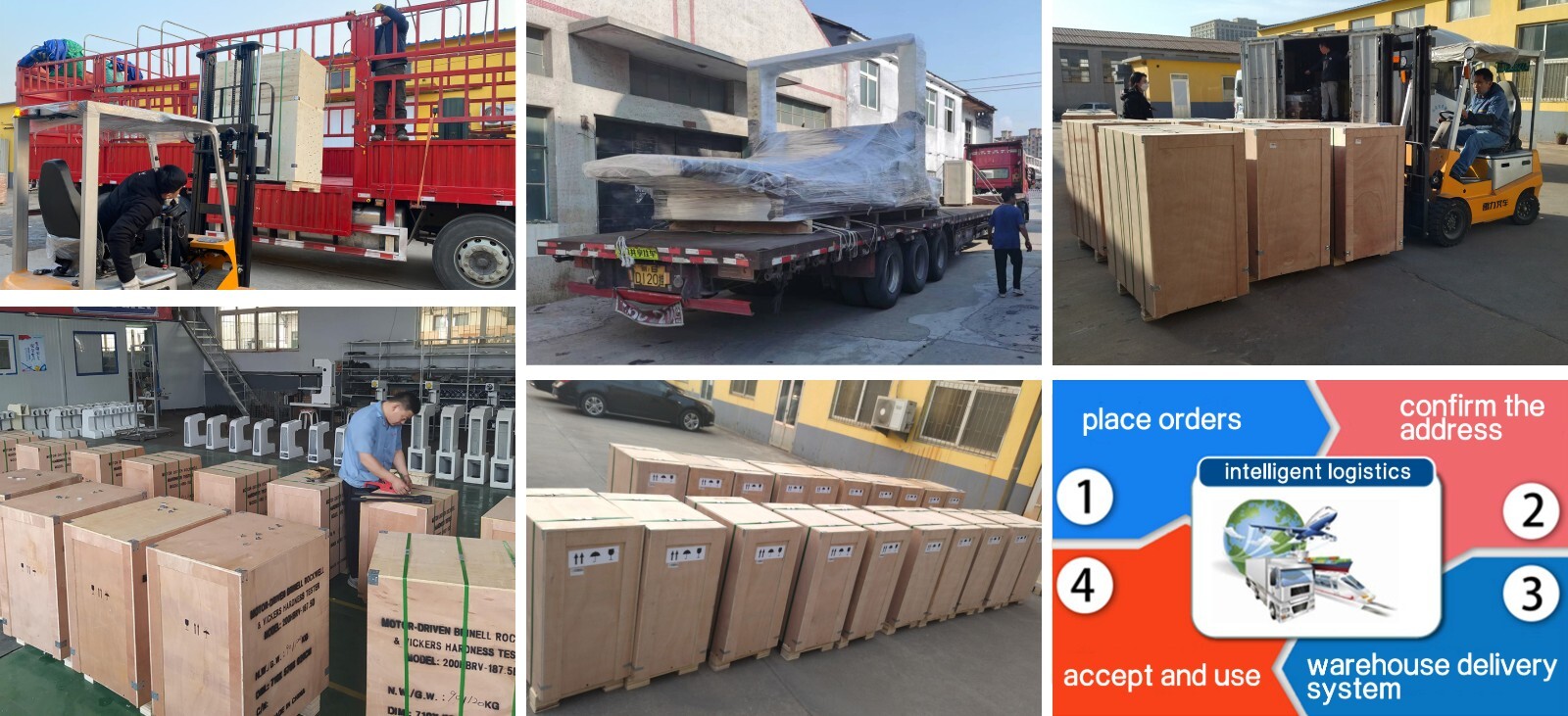
Packaging and Shipping
Have an inquiry or some feedbak for us? Fill out the form below to contact our team.
Related Product Recommendations
 WDW-100 Microcomputer-Controlled Electronic Universal Testing MachineMore Details +
 WDW-50E Microcomputer-Controlled Electronic Universal Testing MachineMore Details +
 WAW-1000D Microcomputer-controlled Electro-hydraulic Servo Hydraulic Universal Testing MachineMore Details +
") WAW-600D Microcomputer-Controlled Electro-Hydraulic Servo Universal Testing Machine (With four columns)More Details +
WAW-600D Microcomputer-Controlled Electro-Hydraulic Servo Universal Testing Machine (With four columns)More Details + Microcomputer-ControlledElectro-Hydraulic Servo Universal Testing MachineWAW-300D Technical ProposalMore Details +
 Microcomputer-Controlled Electro-Hydraulic Servo Universal Testing Machine WAW-300B Technical ProposalMore Details +
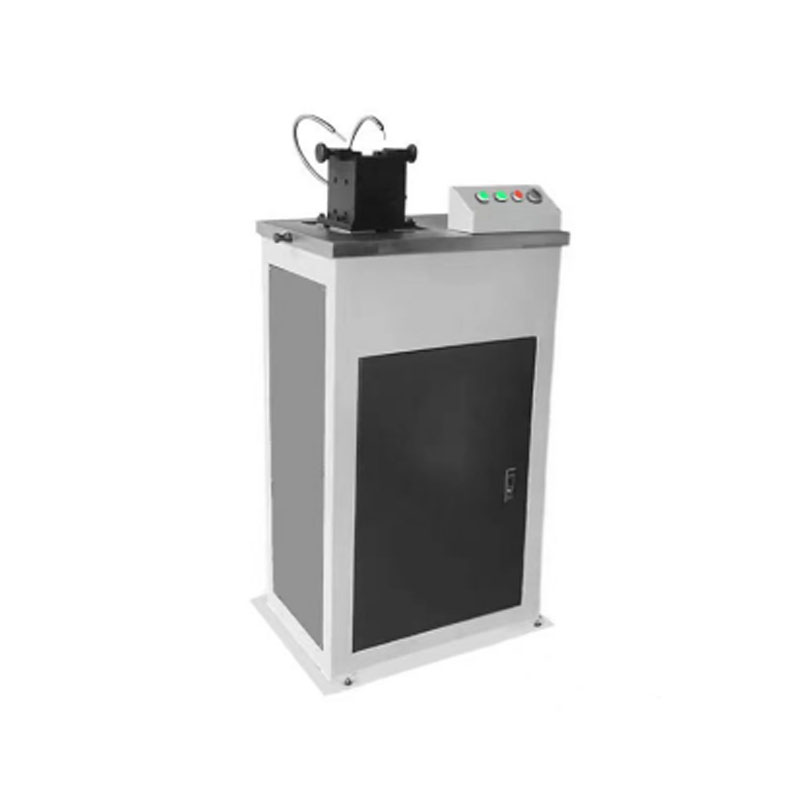
 Impact Specimen Notch Hydraulic Broaching Machine LY71-UVMore Details +
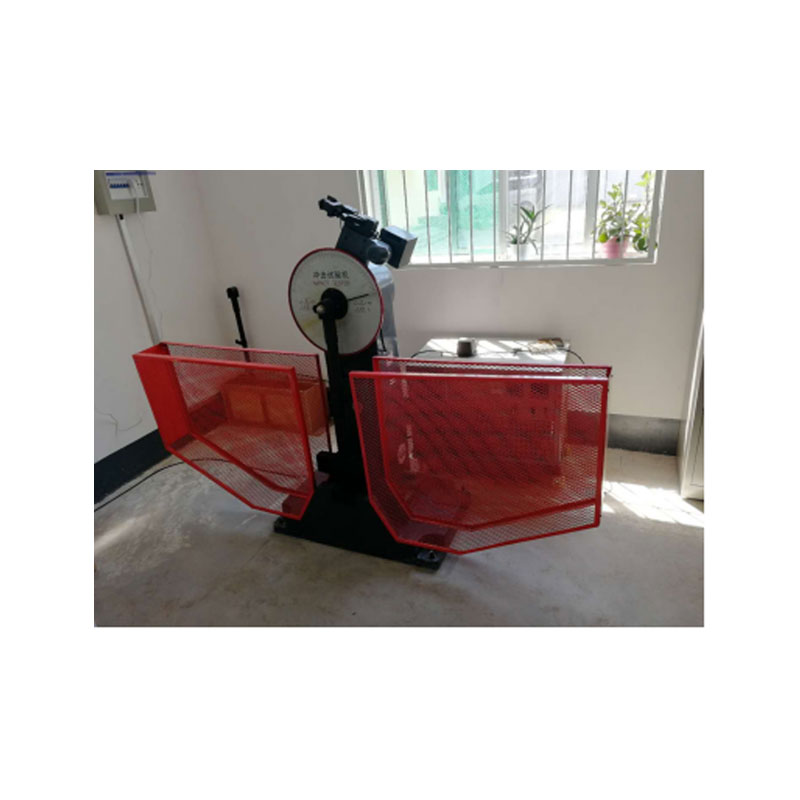
 JB-300B Pendulum-type Impact Test MachineMore Details +
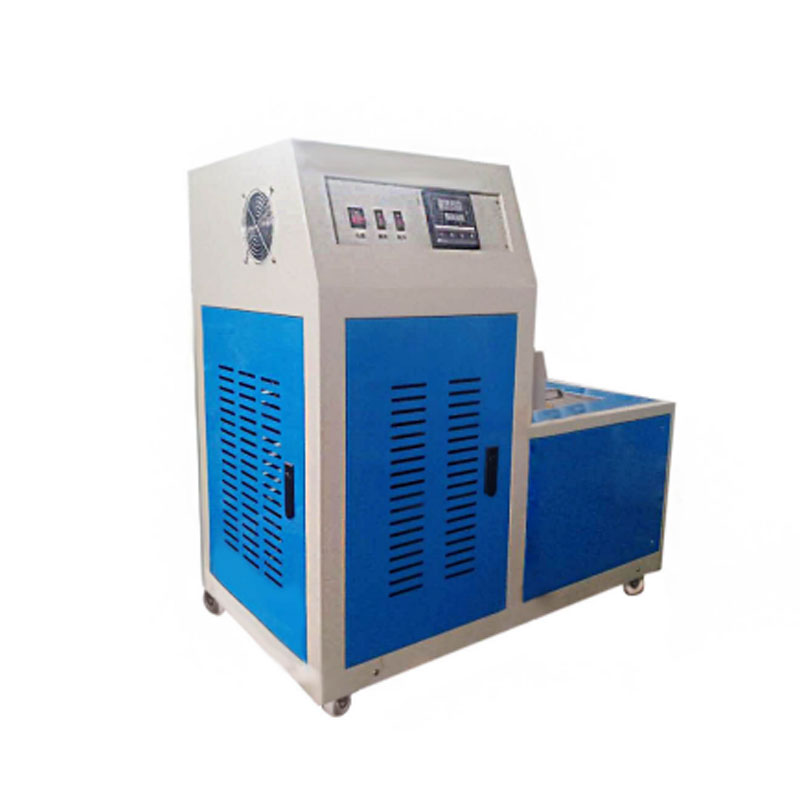
 DWC-60 Impact Test Cryogenic TankMore Details +
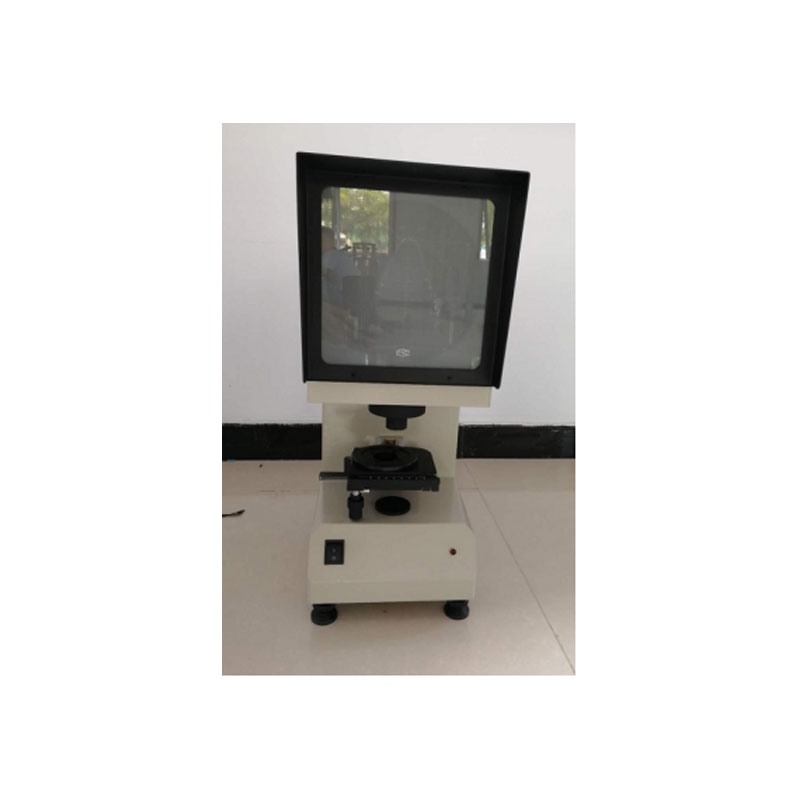
 CST-50 Impact Specimen Notch ProjectorMore Details +
 JB- -W300A Microcomputer Control Pendulum Type Impact Test MachineMore Details +
 JB-W300DZ Microcomputer Control Low-temperature Automatic Shock Test MachineMore Details +
Search Starts Here
Our Email